


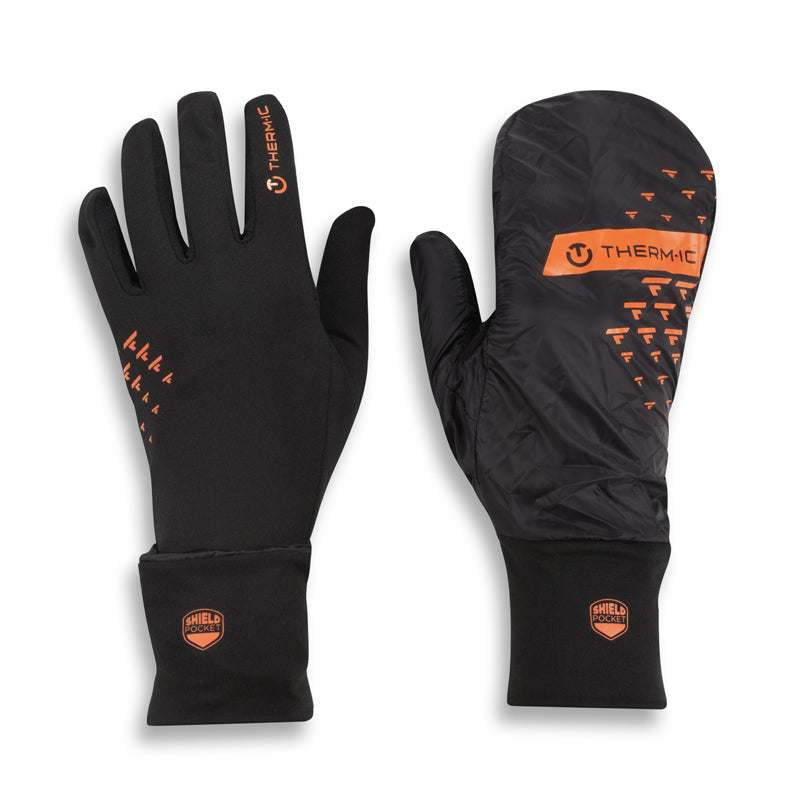

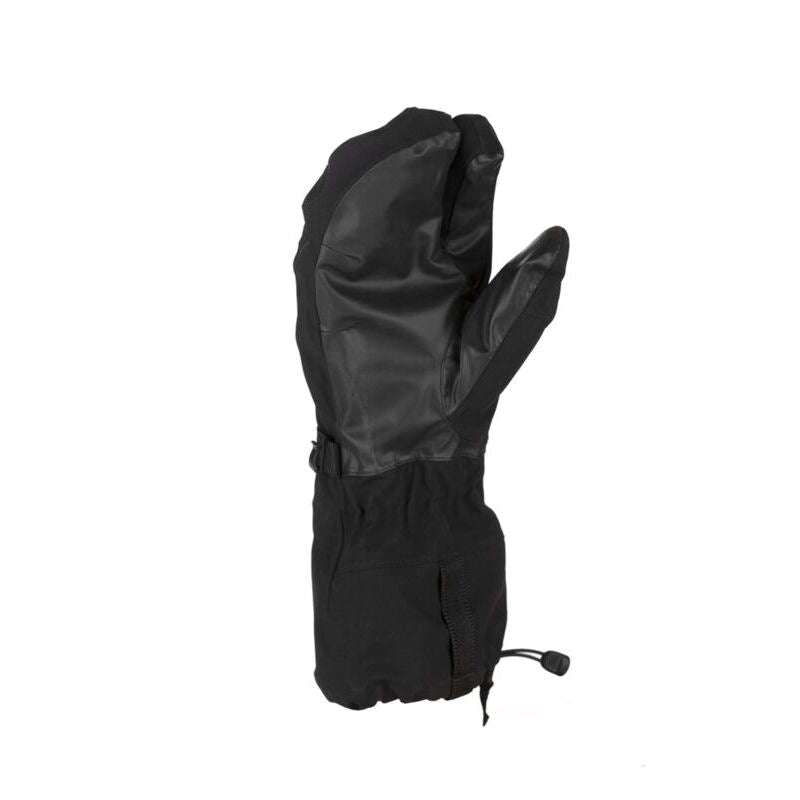
Why outdoor gloves are essential
When you go hiking, trekking, nature walks, mountain biking, Nordic walking or any other outdoor activity — especially when the weather is cold, wet or windy — your hands are exposed to the elements: wind, rain, cold, snow, moisture and friction. Without suitable gloves, this can lead to numbness, cold, discomfort, wet or frozen hands, irritation or loss of dexterity. Outdoor gloves play a key role: they protect the skin, insulate against the cold and wind, provide good grip and make it easier to use equipment — for longer, more comfortable and safer outings.
What Therm-ic Outdoor gloves offer
- Protection against cold, wind and moisture — Thanks to technical materials, membranes or water-repellent treatments, these gloves block wind, rain and snow, preserve heat and keep your hands dry even in wet or cold weather.
- Breathability & long-lasting comfort — Even during strenuous activity (walking, hiking, mountain biking, climbing, etc.), perspiration is wicked away, preventing wet hands and cooling. This allows you to stay comfortable for long hours without feeling cold or damp.
-
Good grip and dexterity — Reinforced palms, non-slip materials, good fit: useful for holding poles, handling equipment, climbing, cycling, or any activity requiring precision and grip.
-
Versatile use — These gloves are suitable for many outdoor activities: hiking, trekking, walking, mountain biking, ski touring, mountain outings — even for everyday life in cold or wet conditions.
- Durability & robustness — Designed to withstand abrasion, friction and demanding conditions (rocks, branches, snow, pebbles, humidity), their lifespan is suitable for regular and intensive use.
Who are Outdoor gloves for?
- Hikers, trekkers, walkers, mountain and nature enthusiasts — for day trips or multi-day outings.
- People who enjoy a variety of outdoor activities: hiking, mountain biking, Nordic walking, ski touring, trekking, nature excursions, etc.
- For users looking for comfort + protection + adaptability for their hands in variable weather conditions (cold, rain, wind, snow).
- For people who are sensitive to cold and moisture, or who need reliable support, grip and dexterity — even in difficult environments.
- For those who want versatile and durable equipment that can be used in multiple seasons and contexts.
Expert advice & best practices
- Choose the right level of protection for the activity and weather — lightweight, breathable gloves for summer hikes or brisk walks; more insulated/waterproof gloves for mountain trekking, snow, rain or winter outings.
- Check the fit and comfort — well-fitting gloves without excessive compression ensure support, dexterity, comfort and better insulation.
- Combine gloves + appropriate layers — depending on the effort, temperature and weather, being able to adapt the system (thin gloves, waterproof over-gloves, warm lining, under-gloves, etc.) maximises effectiveness.
- Maintain gloves properly — gentle cleaning, air drying, avoid direct heat; for gloves with membranes or technical treatments, re-waterproof if necessary to maintain their properties.
- Bring a spare pair if necessary — for treks or long outings, having dry or replacement gloves can make all the difference (dry hands, comfort, hygiene).
FAQ (frequently asked questions)
Why not use ‘normal’ gloves for the outdoors/hiking?
Ordinary gloves often lack waterproofing, insulation or resistance — they absorb moisture, let wind or water through, cool down quickly, and cannot withstand the friction or stresses of an outdoor environment.
Are waterproof gloves mandatory for hiking?
Not always, but they are highly recommended in case of rain, snow, strong wind or uncertain conditions. Waterproofing + wind protection + good insulation greatly increase hand comfort and safety.
Can you wear outdoor gloves all day without discomfort?
Yes — provided they are breathable, well-fitting, suitable for the activity, and adjusted according to the weather and intensity (e.g., remove/wear as needed).
When should outdoor gloves be replaced?
When the insulation or protection weakens, the membrane fails, the seams wear out, or when grip/comfort decreases — as with any equipment subject to wear and tear or harsh conditions.


