


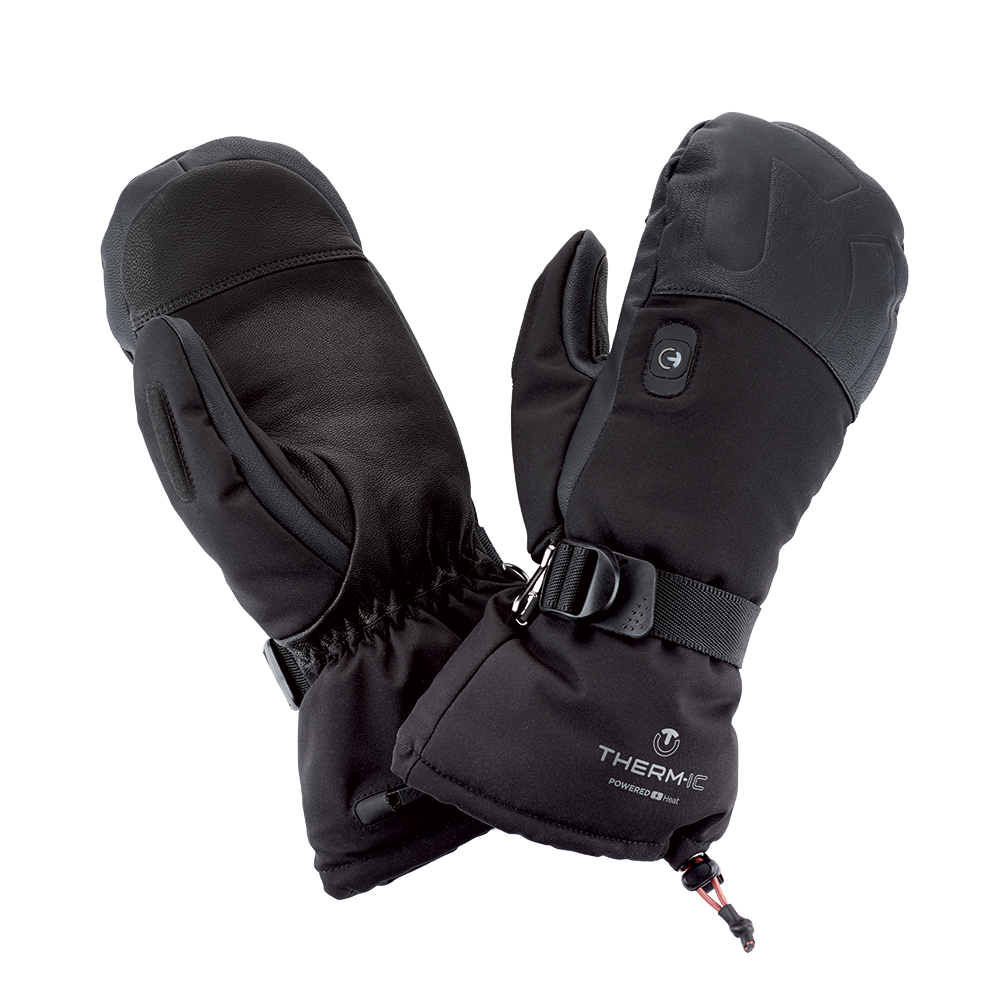


Why high-quality ski gloves are essential
On the slopes or in the mountains, your hands are exposed to extreme conditions: cold, snow, wind, humidity, long days, handling poles, adjusting skis or boots — all of which can cause numbness, intense cold, loss of dexterity, discomfort and even injuries (frostbite, chilblains, irritation). Well-designed ski gloves provide thermal insulation, waterproofing, comfort, and protection against the cold and humidity, while allowing for agility and precision—essential for enjoying the mountains safely and comfortably.
What Therm-ic gloves offer in practical terms
- Thermal insulation & lasting warmth — Some models feature high-performance Primaloft® insulation, which effectively retains heat even in intense humidity or cold.
- Waterproofing & protection against snow/rain — Thanks to a technical membrane, the gloves remain waterproof while allowing the hand to breathe: outside water stays out, while inside moisture (sweat) is wicked away — essential for comfort and heat retention.
- Breathability & comfort even during activity — During sports or intense activities (ski touring ascents, descents, handling poles, etc.), ventilation and moisture wicking prevent the accumulation of perspiration that would cool the hands.
- Dexterity & grip — Palms are often made of leather or durable materials to ensure grip, durability and abrasion resistance — useful for gripping poles, straps and adjustments — without compromising comfort or insulation.
- Versatility depending on use (downhill skiing, ski touring, freeriding, etc.) — Depending on the model: ‘extra-warm’ gloves for intense cold and long days, or ‘touring/light’ gloves for ski touring — allowing you to choose the right pair for your activity and weather conditions.
Who are Therm-ic gloves for?
- Regular, intensive skiers who spend long days in the mountains — cold, wind, snow, cold lifts — and need constant comfort, reliable protection and good dexterity.
- For ski touring, freeride and backcountry enthusiasts — those who combine physical effort with exposure to snow and bad weather: breathability, waterproofing and insulation are crucial.
- For those with hands that are sensitive to the cold/frostbite, or a history of poor circulation — insulated + waterproof gloves offer real comfort, better thermal protection and healthier hands.
- For those who want durable and versatile equipment — gloves adapted to the use (piste, touring, freeriding), weather and style, while maintaining comfort, protection and performance.
Expert advice & best practices
- Choose the right model for the use — For recreational downhill skiing in cold weather: well-insulated gloves + waterproof membrane; for ski touring (exercise + climbing): more breathable, lightweight gloves with high moisture wicking.
- Check the fit — neither too tight nor too loose — Gloves that are too tight restrict circulation and reduce insulation; too loose = heat loss + poor dexterity + poor grip.
- Combine gloves with additional accessories if necessary — technical under-gloves, breathable membranes, well-fitting cuffs/jackets — to maximise airtightness and cold protection.
- Care for gloves properly — Air dry after use, avoid direct heat (radiators) to preserve insulation and membrane. Wash according to the manufacturer's recommendations, no fabric softener, etc.
- Adapt use according to the weather and intensity — If the activity generates heat (climbing, hiking), more breathable gloves are better; when descending or waiting for lifts, prioritise insulation.
FAQ (frequently asked questions)
Why aren't basic ski gloves enough?
Because in the mountains, where it's cold, snowy and damp, basic gloves (designed for urban wear or light winter conditions) don't provide effective insulation, waterproofing or comfort during intensive use — they don't offer enough protection, and your hands will end up frozen, wet or uncomfortable.
Should you prioritise insulation or breathability?
It depends on the use: intense effort = breathability + moisture wicking; cold + waiting/descending = insulation + waterproofing. The best models combine these two aspects or allow you to adapt to the weather (ascent vs. descent).
Should gloves be waterproof?
Yes — snow, humidity, contact with snow, lifts, falls... a waterproof membrane (such as 10K/10K) provides effective protection against water and cold, while allowing the glove to breathe.
When should you replace your ski gloves?
When the insulation diminishes, the membrane loses its effectiveness (leaks), wear appears on the palm, or they no longer protect properly — as with any technical equipment subject to wear and tear.


