In the world of technical outdoor clothing, outdoor enthusiasts are now looking for high-performance products that are durable and offer greater transparency regarding their manufacturing. These changing expectations are prompting brands to rethink their production methods and the materials they use.
At Therm-ic, this approach is reflected in particular by European production across several ranges of technical socks, for both winter and summer activities. The aim is to maintain a high level of performance whilst retaining greater control over the manufacturing process and industrial partners.
European production organised by product range
Therm-ic utilises several production sites across Europe, depending on the intended use, the technologies incorporated into the socks, or the materials used, such as recycled polyamide.
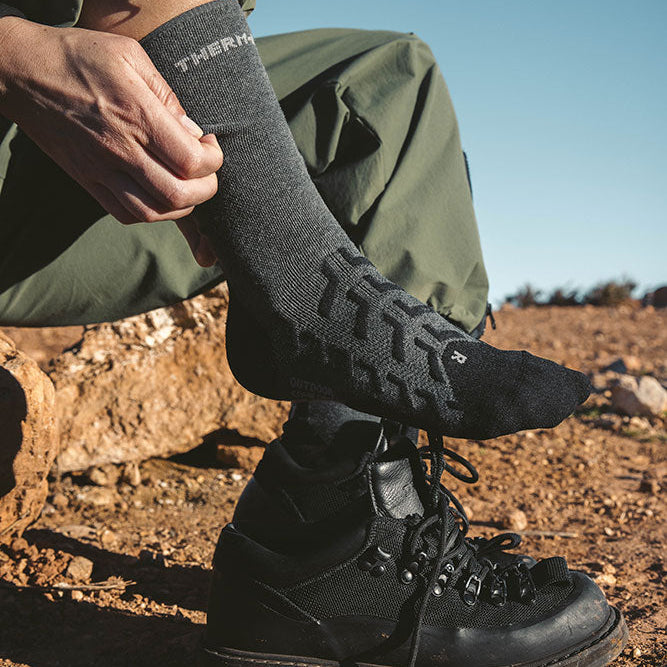
The winter collections, particularly those incorporating merino wool, are mainly produced in Bulgaria.
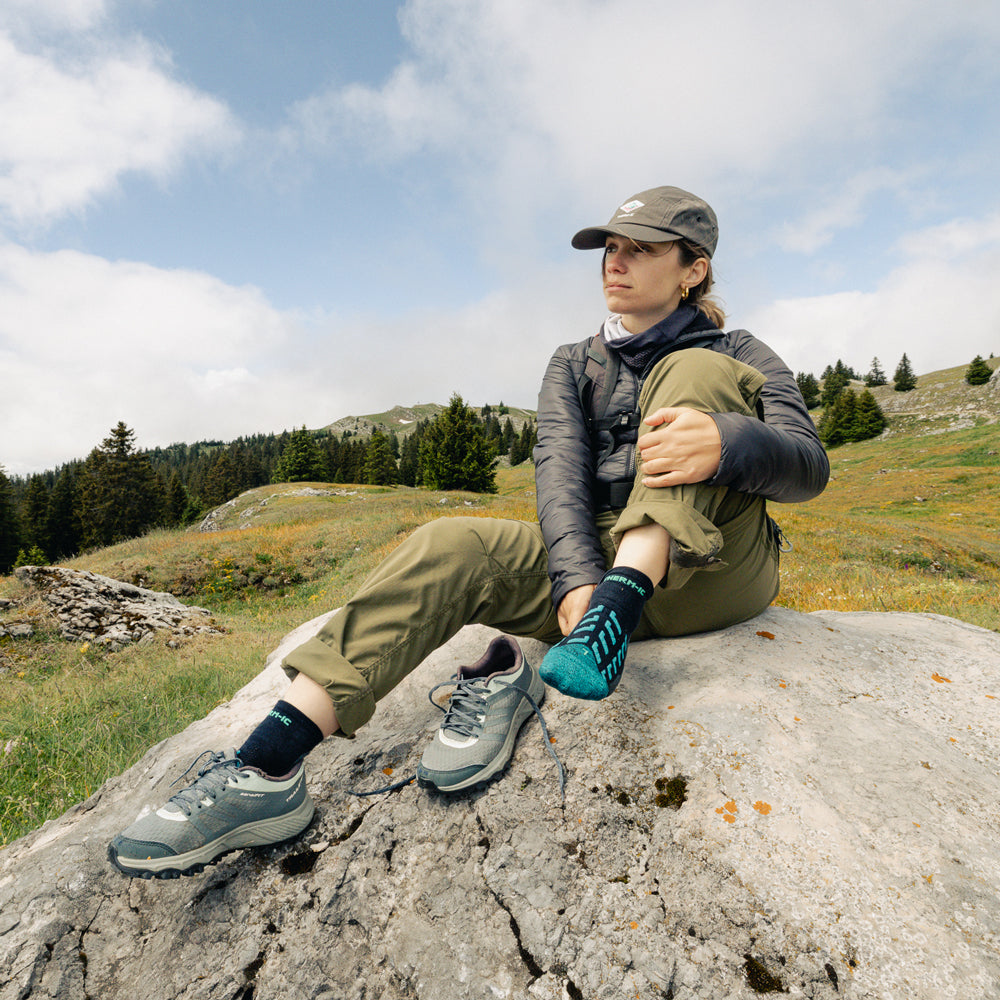
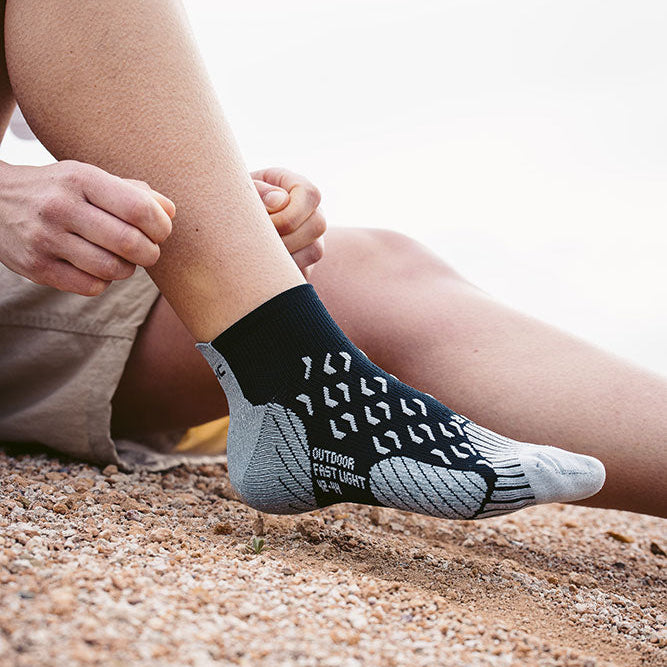
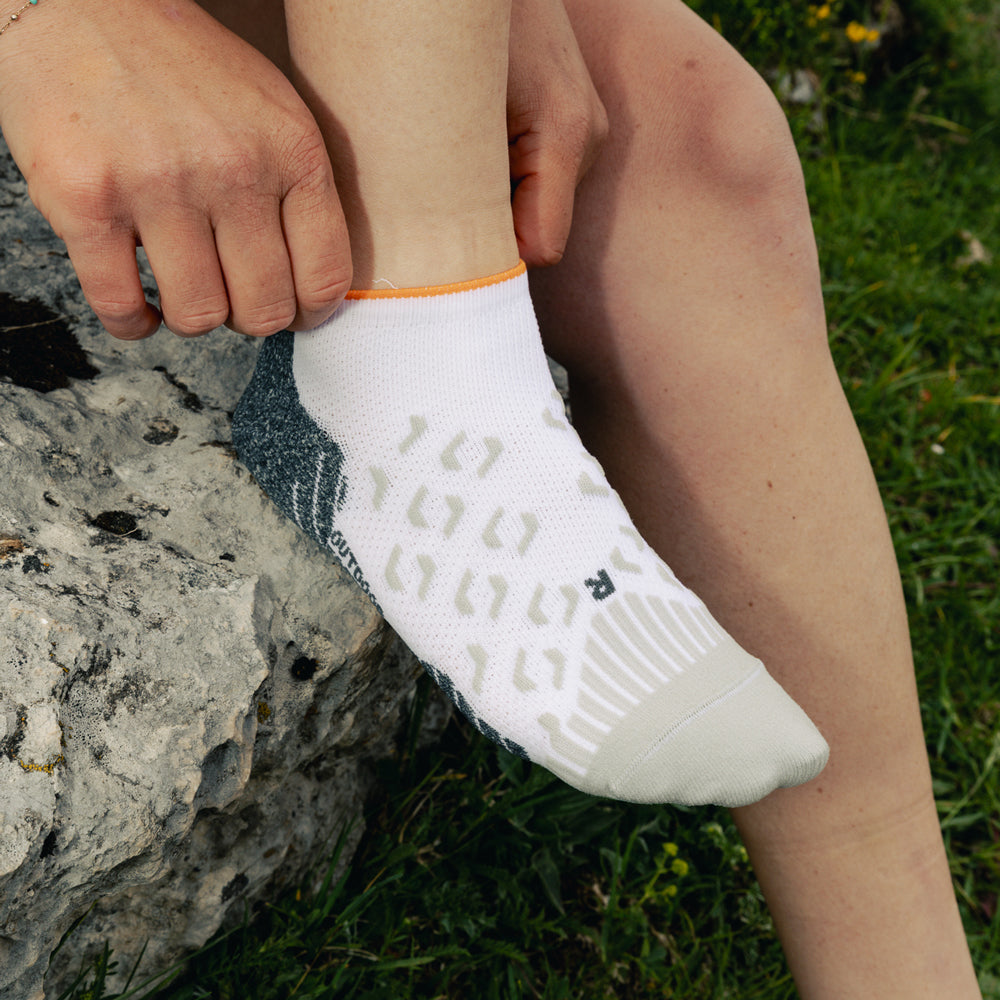
The summer hiking and trekking ranges, meanwhile, are manufactured in Bosnia and Italy, particularly models incorporating technical fibres.
This organisation enables the brand to work with specialists in technical outdoor textiles whilst maintaining geographical proximity to its suppliers.
Why produce socks in Europe?
The decision to manufacture in Europe is primarily driven by the need for industrial control and proximity.
Manufacturing closer to the European market enables, in particular:
- More regular monitoring of partner factories
- Greater responsiveness when checks or adjustments are required
- Reduced transport distances compared to production in Asia
- Easier communication regarding quality standards and the materials used
This proximity also facilitates on-site visits. Some partner factories are regularly audited or visited by Therm-ic teams to monitor manufacturing processes and product developments.
A nuanced approach to environmental impact
Manufacturing in Europe does not automatically mean low-carbon production. The environmental footprint depends heavily on the energy mix used in each country.
For example, some European textile-producing countries still rely heavily on fossil fuels for their electricity generation. Bosnia remains heavily dependent on coal, whilst Bulgaria also uses coal and gas in its energy mix.
Italy has a more balanced mix, but the environmental impact still varies depending on the industrial processes used.
Nevertheless, it generally remains lower in carbon emissions than certain major Asian textile production areas that are heavily reliant on coal.
The benefits of European production therefore lie more in industrial proximity, reduced transport and a more structured regulatory framework concerning chemicals, working conditions and manufacturing standards.
More strictly regulated manufacturing standards
European production also allows for operation within a regulatory environment that is stricter than in many other parts of the world.
Industrial partners must comply with European standards concerning:
- The use of chemicals (such as the Oeko-Tex 100 label)
- Working hours
- Social regulations and child labour
- Safety standards for textile products
Although not all European countries offer the same levels of social protection, the framework remains, on the whole, more strictly regulated and transparent than in certain low-cost textile production areas.
Technical socks designed first and foremost for performance
Above all environmental considerations, Therm-ic socks are designed to meet the demands of outdoor and sporting activities.
The various ranges are developed to offer:
- Effective temperature regulation
- Efficient moisture management
- Support tailored to the activity
- Durability in high-wear areas
- Long-lasting comfort during exercise
Therm-ic offers several product categories:
Each range uses specific materials depending on thermal requirements and conditions of use.
A gradual approach rather than an absolute promise
Therm-ic does not present its approach as a perfect solution or one that is entirely carbon-neutral.
Rather, the approach involves gradually integrating technologies and materials that improve certain aspects of textile manufacturing:
- Reducing the use of certain chemical treatments
- Incorporating recycled materials
- Producing closer to the European market
- Working with selected industrial partners
This philosophy of continuous improvement enables the brand to develop its products without compromising on the technical standards expected by outdoor enthusiasts.
Performance, technical expertise and European manufacturing
Through its various ranges of socks, Therm-ic seeks to balance several priorities:
- Performance tailored to outdoor sports
- European manufacturing closer to markets and partners
- The gradual integration of more sustainable materials and processes
- Greater control over manufacturing quality
This approach responds to growing consumer demand for technical products whose origin and manufacturing processes are more closely monitored.
With its socks manufactured in Europe, Therm-ic emphasises an approach centred on technical expertise, local manufacturing and the gradual integration of more sustainable solutions.
Therm-ic develops products capable of meeting the demands of modern outdoor activities whilst gradually evolving its manufacturing methods.